What Does a Ketamine Therapy Session Actually Feel Like?
A note before we begin: if you're looking for the step-by-step clinical process (vitals, dosing, monitoring, recovery), we've covered that in detail in "What Should I Expect During a Ketamine Therapy Session?" This piece is different. This is about what the experience actually feels like from the inside.
A lot of the questions people ask about Ketamine-Assisted Therapy aren't about the science. The science is well-documented at this point. KAT can produce rapid, meaningful relief for treatment-resistant depression, PTSD, and severe anxiety in ways traditional medications often can't. People have read the studies. People know it works.
What people want to know now is what it actually feels like to be in the chair.
This blog is for that question.
Settling in
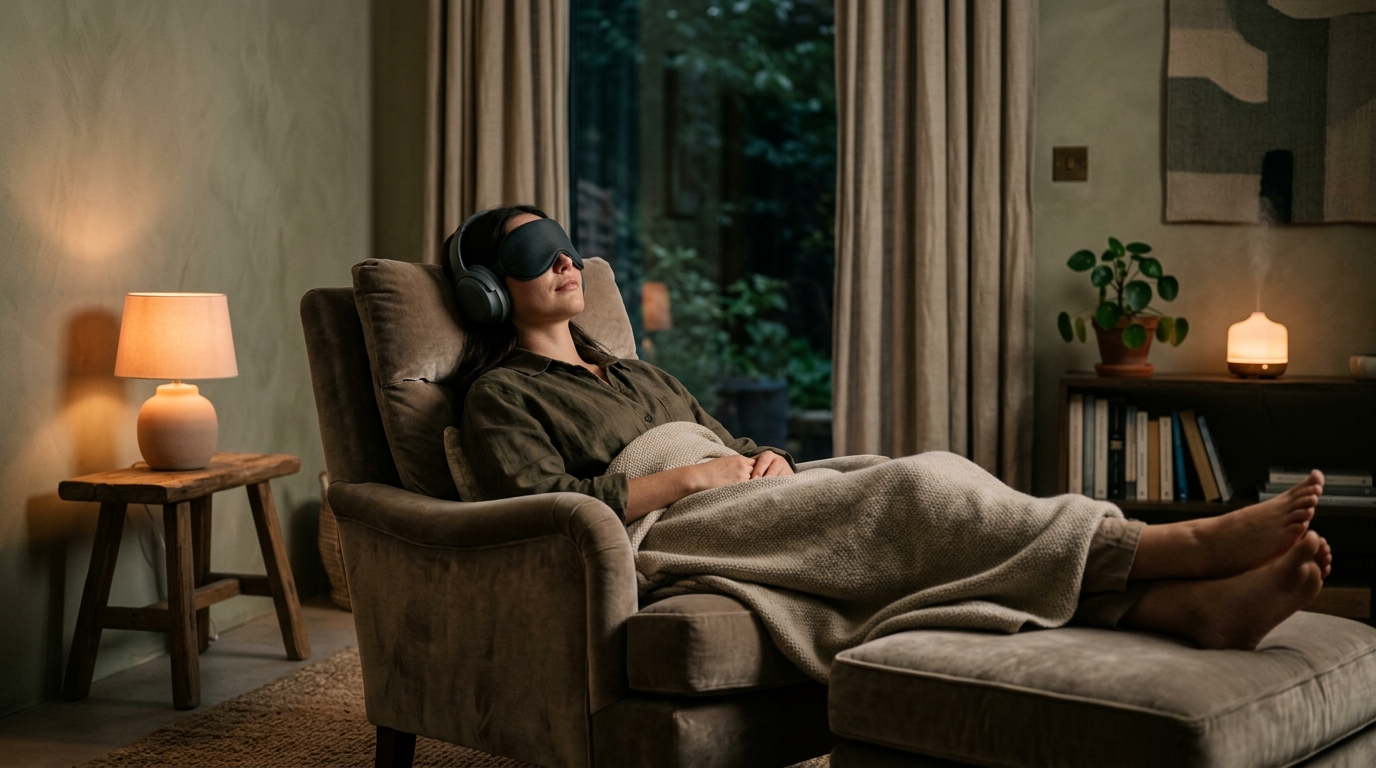
You'll settle into a recliner or a comfortable chair in a quiet, dimly lit room. Most clinics use a calm aesthetic on purpose: soft lighting, warm colors, no clinical fluorescence. You'll usually be offered an eye mask and a curated playlist, often instrumental, sometimes with gentle vocals. Music is a real tool in KAT. It carries the experience and gives your mind something to follow when language drops away.
A trained provider stays with you throughout. You are not alone in the room.
The onset: the first few minutes
Ketamine can be administered in a few different ways depending on the clinic. IV infusions and intramuscular injections are two of the most common in clinical settings. The method affects how quickly the experience begins and how long it lasts. IV sessions usually start within a few minutes and run for about 40 minutes, while IM sessions can last a little longer.
The first thing most people notice is a softness. The body can feel heavier and lighter at the same time. Edges blur slightly. The chair may feel further away than it did a few minutes earlier. If you have music in your ears and an eye mask on, your attention naturally starts to turn inward.
The dissociative experience
This is the part that's hardest to describe and also the part that does much of the therapeutic work.
You may feel like you're floating, drifting, or watching yourself from outside your body. Time stretches and compresses in ways that don't feel troubling. A minute can feel like ten, ten minutes can feel like none. Visual experiences are common with the eyes closed: shifting colors, geometric patterns, dreamlike scenes. Some people see imagery that connects to memories or feelings, some don't see much at all.
Emotionally, the range is wide. Some people feel a profound stillness or peace. Some feel grief moving through them without resistance. Some feel awe. Some cry. Some laugh. Some feel a kind of quiet they haven't felt in years. None of these are wrong. Research suggests that ketamine appears to loosen the rigid grip of the depressed or traumatized self for a window of time, and that loosening is thought to be where insight and change can happen.
You stay aware enough to know where you are. If you needed to communicate with the provider in the room, you could. Most people don't. The experience is internal, and the provider is there to keep you safe, not to interrupt it.
Throughout, the care team is quietly monitoring your vitals. A small temporary rise in blood pressure or heart rate is common and expected. Mild nausea happens for some people and is managed with medication if it shows up.
The comedown: coming back
After the peak, you gradually return. The eye mask comes off when you're ready. The room is the same room. Your body is your body. The provider will check in with you: how you're feeling, what came up, whether you need water.
This is usually the moment when language starts to come back. Some people are talkative. Some sit quietly for a long time. There's no expectation either way. What you bring back is yours, and you don't have to share it before you're ready.
The hours after
A lot of people describe the rest of that day as quiet, soft, a little tender. Some describe a noticeable lifting of mood that begins almost immediately. Others don't notice changes until the next day or the day after. Both are normal patterns.
This is where integration starts to matter, and it's why KAT is more than just the medicine itself. The insights and emotions that surface during a session need somewhere to land. We've written separately about what integration therapy actually involves in "What Is Integration Therapy and Why Does It Matter After Ketamine?" That's worth reading if this is the part you're newer to.
A few honest things to know
A ketamine session is not a recreational experience and shouldn't be treated like one. It can be moving, deep, hard, and surprising, sometimes all in the same hour. It is not painful. It is not scary when it's done in the right setting with the right team. And for many people, it is the first time their mind has had room to breathe in a long time.
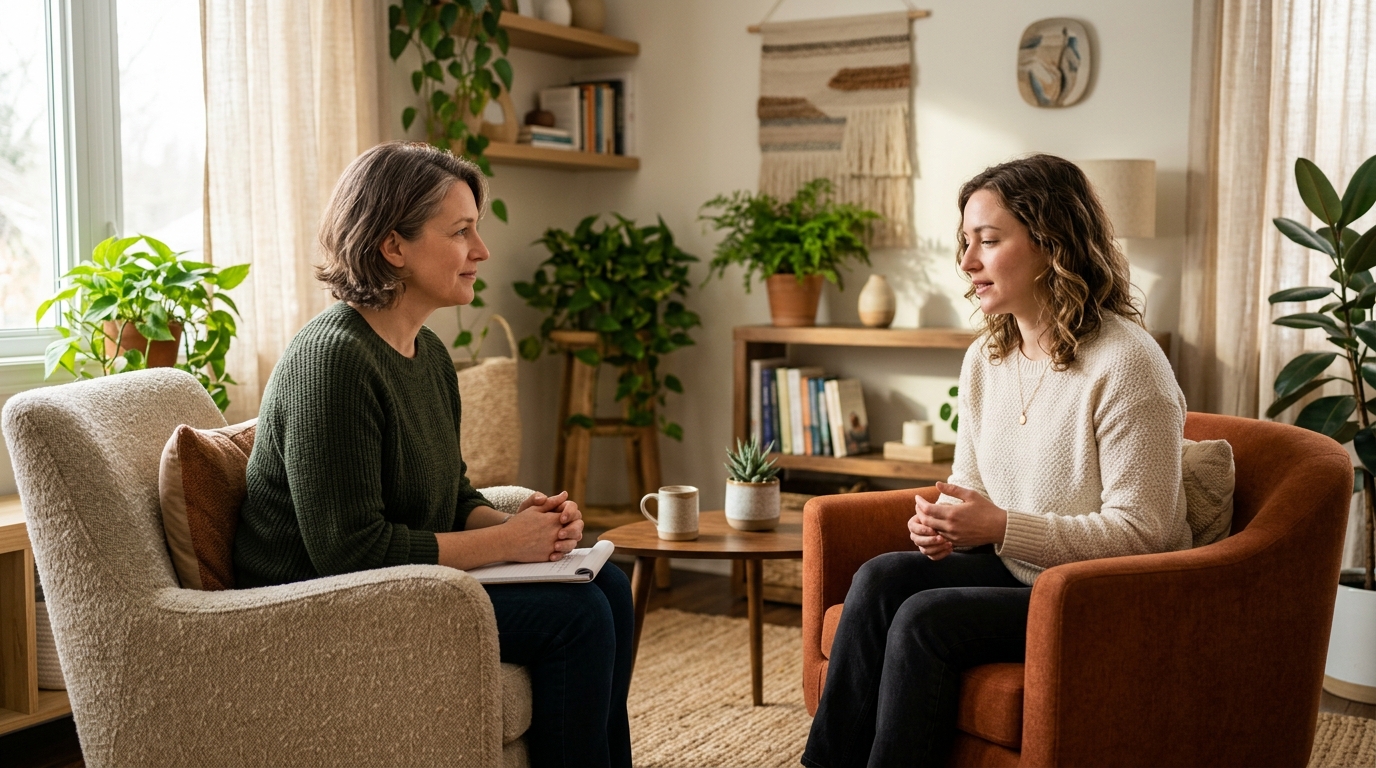
If you're trying to picture yourself in that chair and you're not sure how you'd feel about it, the most useful next step is usually a conversation with a licensed provider you trust. A good clinic will spend as much time on the felt experience as on the clinical outcomes, because both matter, and both shape whether KAT will be right for you.
Looking into KAT through your employer?
Enthea works with employers to make Ketamine-Assisted Therapy part of mental health benefits coverage. If you'd like to find out whether your employer offers Enthea-covered KAT, or how to start that conversation if they don't yet, reach out to us at enthea.com.

The History of Ketamine in Medical Use